 admin
adminIn the evolving landscape of international education in Vietnam, parents are looking beyond global standards. They hold higher expectations: how can children develop holistically while still achieving clear academic outcomes and long-term direction?
The European International School Ho Chi Minh City (EIS) takes a holistic approach, refusing to view “experience” and “academics” as opposing poles. Instead, it treats them as twin pillars of student development.
The “Educational Village” model: A foundation for growth
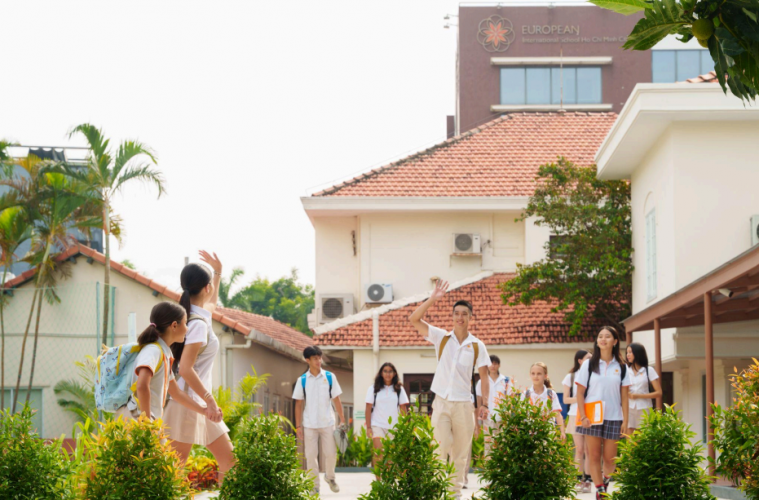
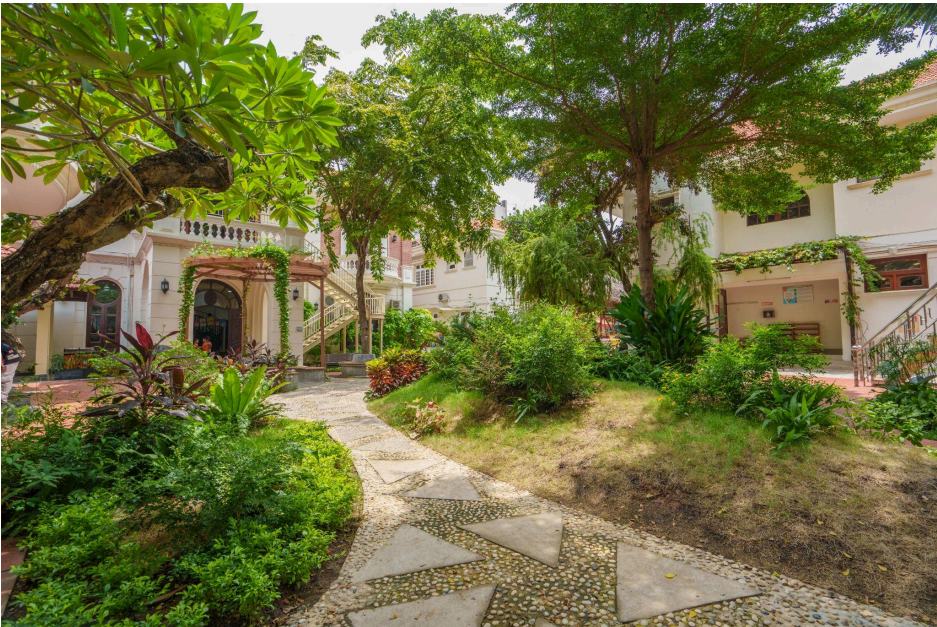
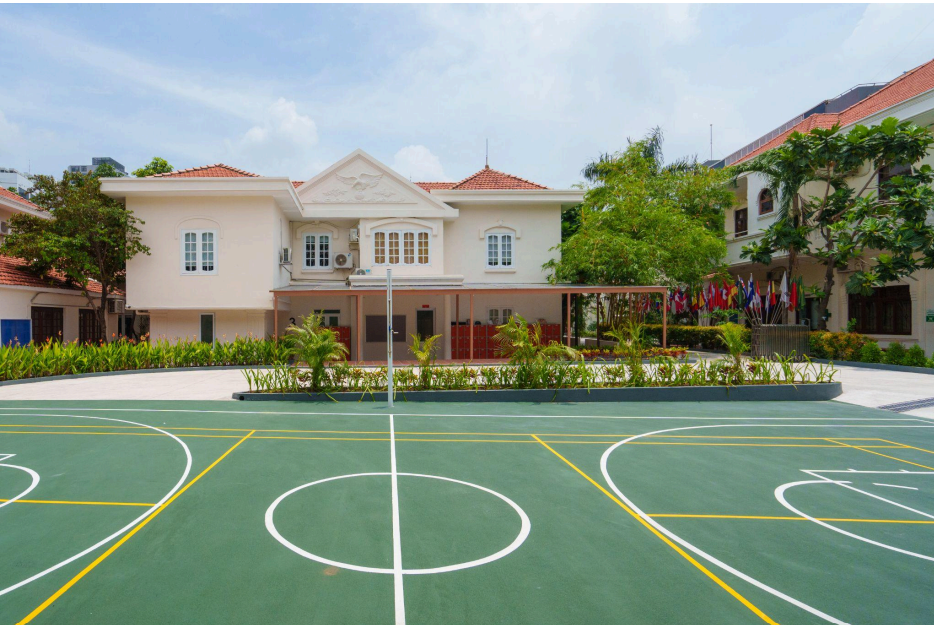
The EIS campus is designed as an ‘educational village,’ combining open learning spaces with a welcoming, garden-style campus environment.
Students develop through daily interactions within a stable community of long-tenured faculty, providing a sense of continuity that is vital for long-term international education.
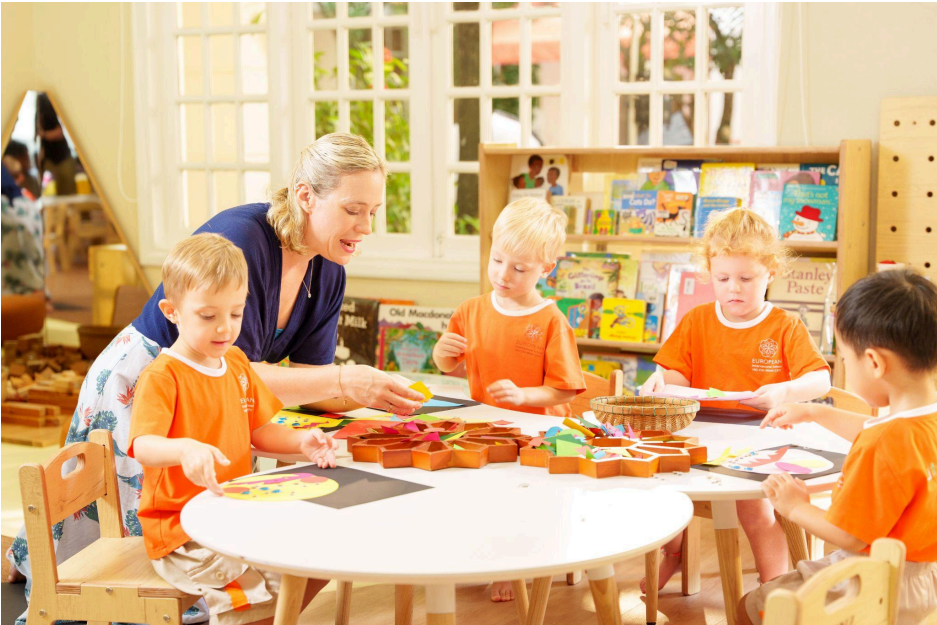
Within this environment, students gain far more than academic knowledge – they grow through meaningful interactions with teachers, peers, and the wider community. These strong connections help foster emotional wellbeing and a sense of stability, both increasingly important in education today.
A multicultural environment and global mindset
With over 46 nationalities represented, EIS offers a truly multicultural environment where students encounter diverse perspectives as part of their daily learning.
Rather than learning about the world theoretically, students effectively live within a “microcosm of the world,” where diversity becomes a natural part of their experience. This fosters open-mindedness, adaptability, and intercultural communication skills.
Ms. Jo Roberts, Co-Head of School at EIS, shared: “We believe education is not only about achieving strong academic results but also about helping students understand themselves and connect with the world around them. When a child feels heard and part of a community, learning becomes both natural and sustainable.”

Academic data: Evidence of a balanced model
Alongside its experiential environment, EIS maintains high academic standards through the International Baccalaureate (IB) programme. Recent data highlights include IB pass rate: 100%; Average score: 35.5/45, around 18% above the global average (~30); Approximately 26% of students scoring 40+ points; and 84% of students achieving the Bilingual Diploma.
These figures not only reflect academic capability but also demonstrate the effectiveness of a balanced learning environment, one that supports both intellectual and emotional development.
From IB results to international university pathways
Academic outcomes at EIS translate into clear post-graduation opportunities, with students admitted to universities across the UK, US, Europe, Australia, and Canada.
Notably, the proportion of students pursuing international higher education pathways approaches 100%, supported by personalised counselling and structured academic planning.
Mr. Ben Armstrong, Co-Head of School at EIS, comments: “A balanced learning environment does not mean reducing academic pressure. On the contrary, when students are supported appropriately both emotionally and academically – they tend to perform better and are more prepared for higher educational challenges.”
When experience and achievement are not opposites
A common concern among parents is whether experience-driven education compromises competitiveness or academic results.
At EIS, the answer lies in its approach: rather than creating short-term performance pressure, the school focuses on building intrinsic capabilities, independent thinking, self-management, time management, and resilience.
These are also the attributes highly valued by international universities, alongside academic scores.
Education choices in a changing landscape
As education continues to evolve, parents increasingly evaluate schools not only by curriculum or facilities, but by how they shape environments, communities, and long-term development journeys.
With its educational village model, multicultural environment, and data-backed academic performance, EIS presents a balanced approach where experience and achievement are not mutually exclusive, but mutually reinforcing.
Text: VH Editor, Photo: EIS