 admin
adminMr. Jon Standen – Executive Principal of the Australian International School AIS (Australian International School Saigon) has found a new source of inspiration in Vietnam from a young generation rising strongly and full of aspiration.
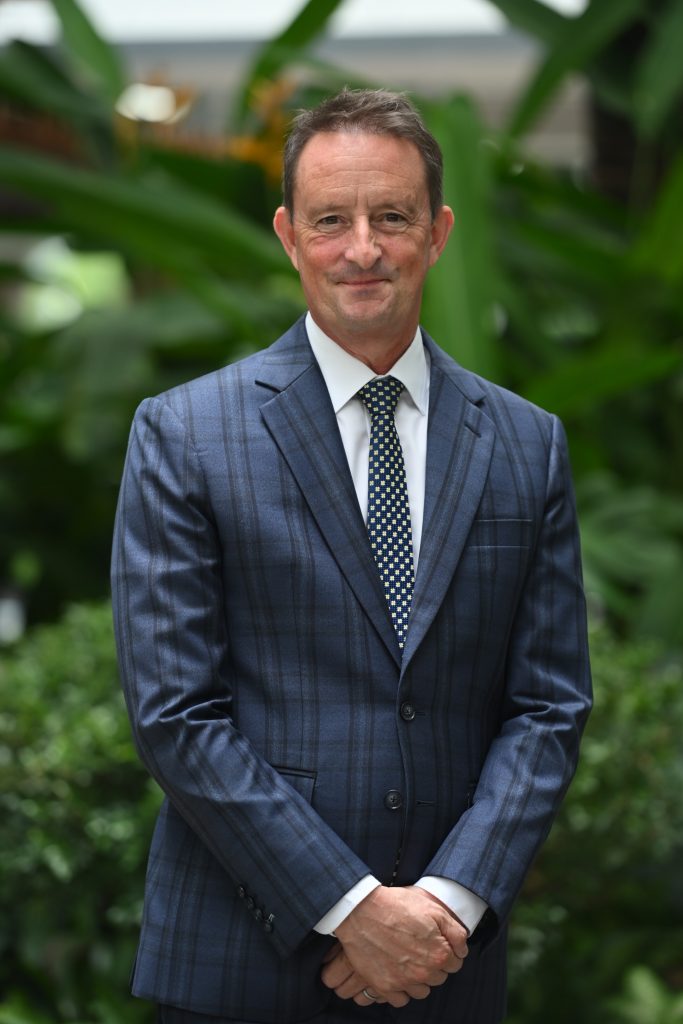
After dedicating more than 30 years to international education, traveling through many countries from the United Kingdom to Thailand, Mr. Jon Standen realized that what remains most deeply is the way each community defines the maturity of a child. Calm and measured in every response, Jon Standen brings the feeling of someone who has traveled enough to understand that education is not just about knowledge, but also about how humans learn to live together in an increasingly complex world.
Education always reflects a nation’s culture
Vietnam Heritage: After more than 30 years working in international education across many countries, what is the most memorable experience for you?
Jon Standen: Going through many cultures, I realize a core truth: Education is always a mirror deeply reflecting the culture and expectations of a nation. In the United Kingdom, education carries a sense of heritage with strict traditional academic standards. When moving to Thailand, I was impressed by the depth of respect, the spirit of community cohesion, and how they place harmony at the center.
But no matter where, my most memorable experience does not lie in modern laboratories or honor rolls of achievements, but the moment of seeing a shy child, coming from an unfamiliar culture, gradually finding their place, confidently speaking up, and being embraced by the community. That is when I understand that international education truly holds the power of connection.
Vietnam carries a vibrant, young energy
Vietnam Heritage: What about Vietnam? What makes you feel the most special when working here?
Jon Standen: Each country has given me a different perspective on education, but Vietnam has a very special energy. It is the energy of transformation, a thirst for learning, and an optimism rarely seen in young people. In major urban centers like Ho Chi Minh City or Hanoi, I can feel the heartbeat of a new generation preparing to step out into the world with a highly proactive mindset.
This transformation also comes from parents. Following the pandemic, along with the rapid development of technology, I notice a distinct trend: Vietnamese parents are no longer looking for an educational environment purely chasing high scores or the prestige of a university. They are rethinking the true purpose of education and shifting toward more sustainable values such as adaptability, independent thinking, and global integration for their children.
Children cannot develop well under academic pressure alone
Vietnam Heritage: In your opinion, what is the biggest change in today’s generation of students, and how can they avoid being “overwhelmed” by those pressures?
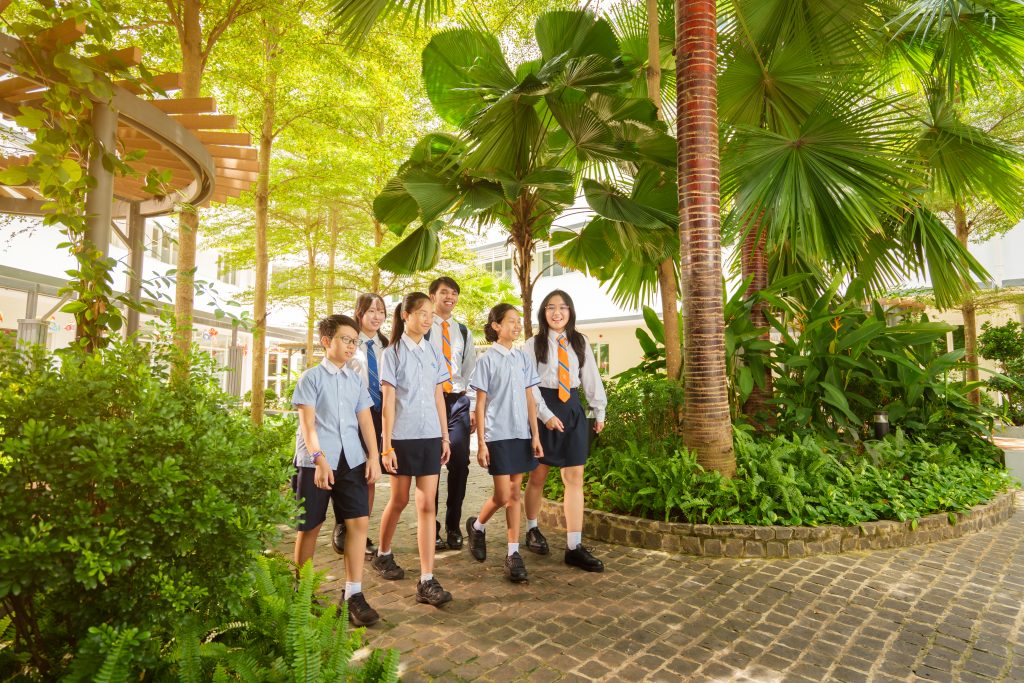
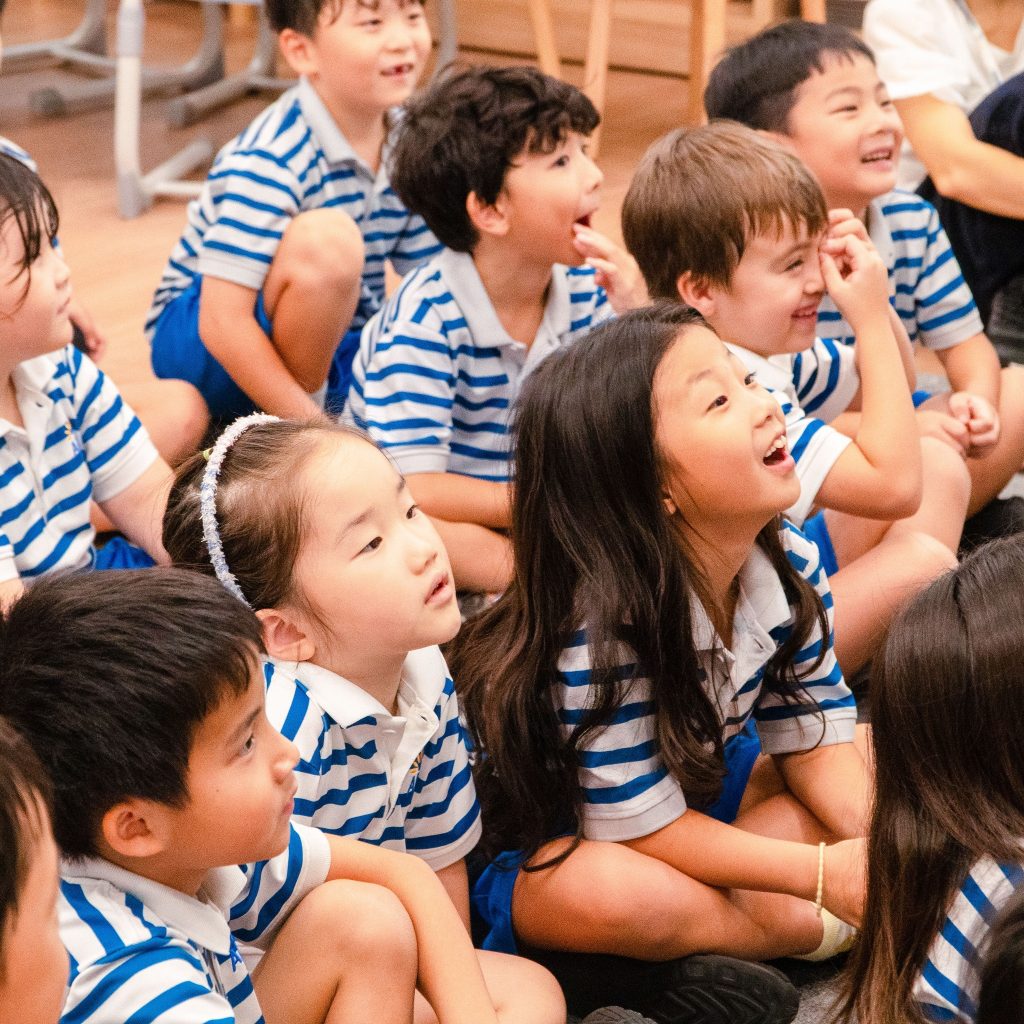
Jon Standen: Today’s generation of students grows up faster, is exposed to huge amounts of information, and faces much greater pressure from the digital world. That is why my colleagues and I pay special attention to wellbeing — the holistic emotional and mental development of students. A child cannot develop well if there is only academic pressure.
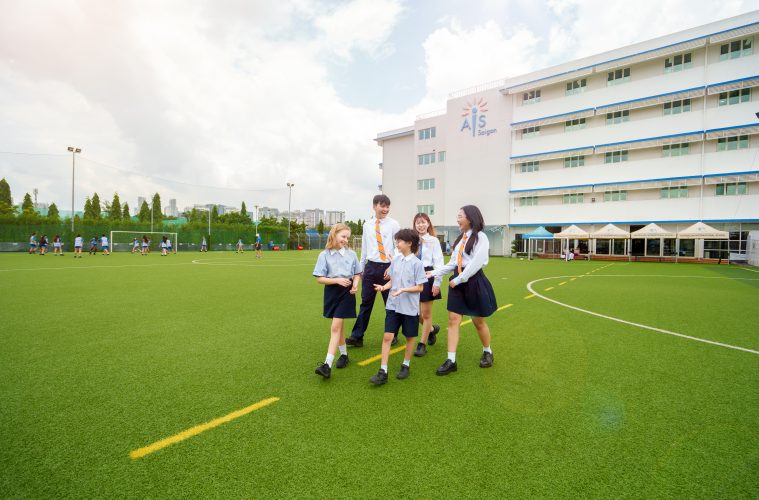
At AIS, we shift the axis from “what to learn” to “who to become”. This spirit is inherited from Australia’s progressive education system, emphasizing the balance between academics and mental health. Within a multicultural environment representing over 43 nationalities, AIS students learn to respect differences, nurturing open-mindedness and communication skills.
We also encourage them to develop “big picture” thinking (the whole picture). Rather than viewing knowledge as separate subjects to memorize, students learn to find connections between different ideas and real-world situations. When they understand “why” and “how” to learn, they will develop deep critical thinking to find answers on their own in contexts where there are no predefined solutions.
To bring this to life, we build the AIS CARES culture. CARES is not simply a framework, but how we interact every day. Teachers actively listen, working closely with parents to personalize the experience for each child. When children grow up with empathy and a sense of belonging, they will develop the confidence to explore the world while still holding on to their sense of humanity.
As technology advances, humans need each other even more
Vietnam Heritage: As someone leading an educational system that invests heavily in technology and AI, why do you spend so much time talking about empathy and emotions? How do you view this balance in modern education?
Jon Standen: It may sound paradoxical, but the more technology develops, the more invaluable the human element in education becomes. Over the next 5-10 years, AI will certainly be an “enabler” that enriches the learning experience and stimulates students’ curiosity. But AI is just a tool; it cannot replace learning, nor can it replace the sacred bond between teacher and student, or the empathy in a human’s journey to maturity.
What matters is not how early students use AI, but whether they understand why they are using it and how to engage with technology in a scientific, effective, and ethical way. At AIS, we guide students toward asking exploratory, creative questions rather than just seeking ready-made answers from machines. Technology gives us answers faster, but it is humans who decide the value of that answer.
AIS is a place where students stand proud
Vietnam Heritage: Alongside a solid academic foundation, what is the greatest thing you hope generations of students will carry with them when they graduate from AIS?
Jon Standen: I always emphasize to my team: “We are not educating students solely to pass exams, but to prepare them for life.” Of course, AIS possesses a highly stable continuous international educational pathway from 18 months to 18 years old with the International Baccalaureate (IB PYP, IBDP) and Cambridge IGCSE. Our students’ average IB score reaches 34.5 – outstanding compared to the global average – with a pass rate close to 100% over consecutive years, opening the doors to leading universities worldwide.

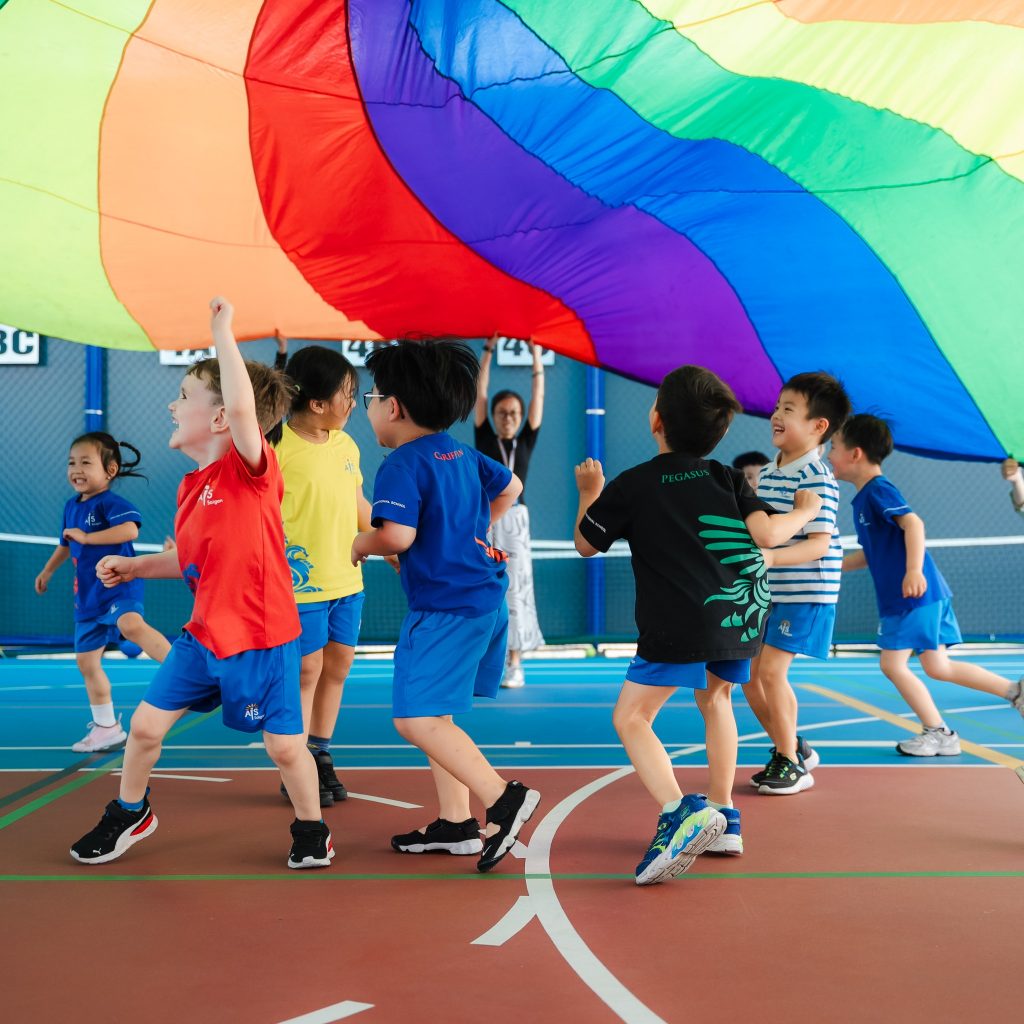
However, AIS does not shape students according to a fixed mould. With an investment of USD 15 million into facilities, from laboratories to creative arts and sports complexes, we want to create spaces for them to develop their own identity, aesthetic sensibility, and deep enough professional expertise.
A successful school is not measured solely by high tuition fees or the pressure to expand scale. We choose a sustainable development path, maintaining competitive tuition levels that remain 11% lower than schools within the same premium segment to deliver long-term value to parents.
What I hope most is that each student, upon leaving the school, will remember AIS as a launchpad that helps them become modern individuals: creative in their thinking, highly resilient, adaptable to a constantly changing world, and capable of creating value in their own unique way.
About Australian International School Saigon (AIS):
Established in 2006, AIS is one of the leading international schools in Ho Chi Minh City offering continuous education for students aged 18 months to 18 years old. AIS is proud to be a member of Inspired Education Group – a global education network with more than 125 premium international schools across 6 continents, providing students with opportunities for international exchange and access to an outstanding multicultural learning environment.
Photo: AIS