 admin
From running events and chocolate to digital banking and consumer research, new partnerships are showing how businesses can help bring nature conservation closer to the public in Vietnam.
For many people, conservation can still feel distant. It may be associated with remote forests, endangered species, scientific surveys, or the work of rangers and conservationists in protected areas. Yet the future of Vietnam’s biodiversity will depend not only on what happens deep inside forests, but also on what happens in cities, businesses, households, and everyday choices.
Listening before asking people to act
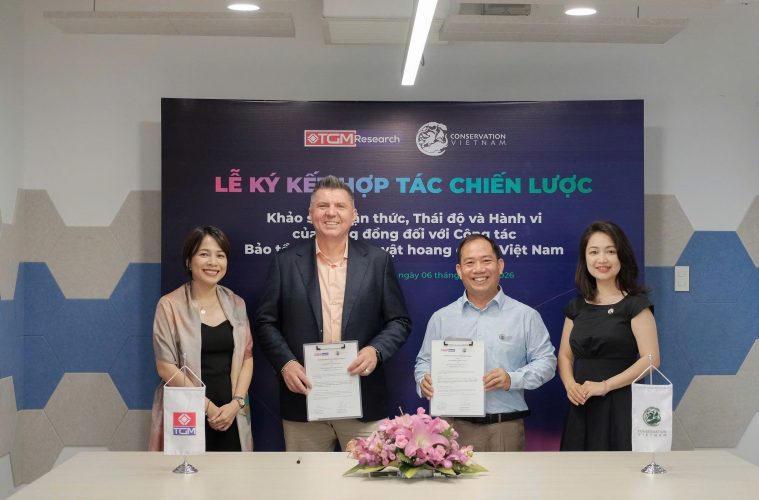
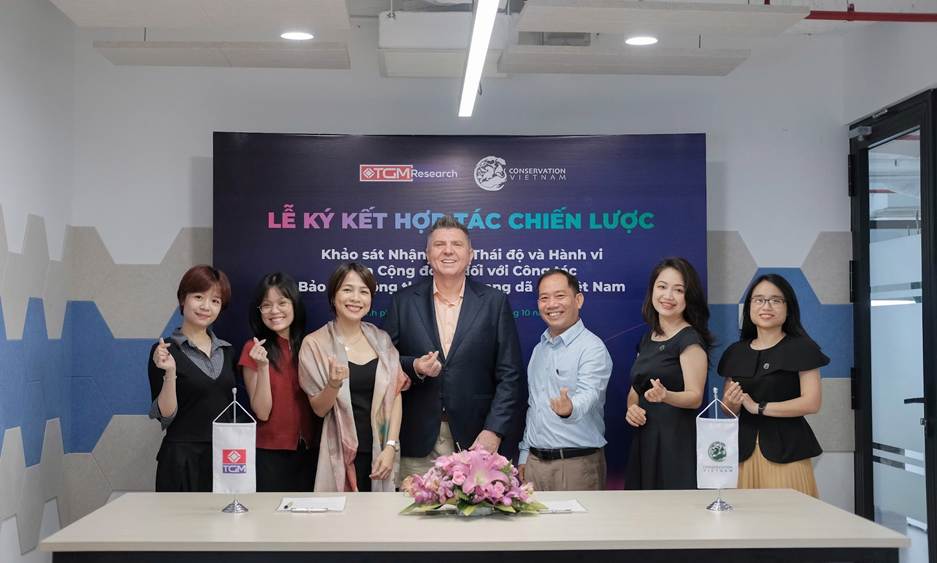
Before encouraging people to participate in conservation, it helps to understand what they actually care about. That is the starting point of Conservation Vietnam’s collaboration with TGM Research.
The partnership focuses on public awareness, attitudes, behaviors, and expectations around nature and wildlife conservation in Vietnam. It seeks to understand not only whether people care about nature, but also what motivates them to act, what they expect from businesses, and what makes a conservation commitment credible.
This matters because public engagement is often discussed in broad terms. Yet different people may connect with nature in very different ways. For some, the issue may be wildlife loss. For others, it may be forests, climate, water, or the future of local landscapes. Some may be willing to donate. Others may prefer to participate through products, events, volunteering, or simply by changing their choices.
By bringing market research into conservation, the collaboration aims to help organizations design initiatives that are grounded not only in ecological need, but also in a clearer understanding of society.
Running for more than a finish line
With DHA Vietnam, conservation enters a very different space: the marathon. Through the “Run for Wildlife” initiative, Conservation Vietnam and DHA Vietnam are bringing wildlife conservation messages into the Can Tho Heritage International Marathon 2026.
One of the key elements is the “5 km Conservation Vietnam” race category. The idea is simple but powerful. A running event already brings together thousands of people, from serious athletes to families and first-time runners. It creates a shared experience, a sense of community, and a moment when people are open to stories larger than themselves.
By placing conservation within that setting, a race can become more than a sporting event. It can become a place where people encounter stories about Vietnam’s wildlife, learn about threatened species, and begin to see nature as part of the same cultural and national heritage celebrated through sport.


From cacao to the forest canopy
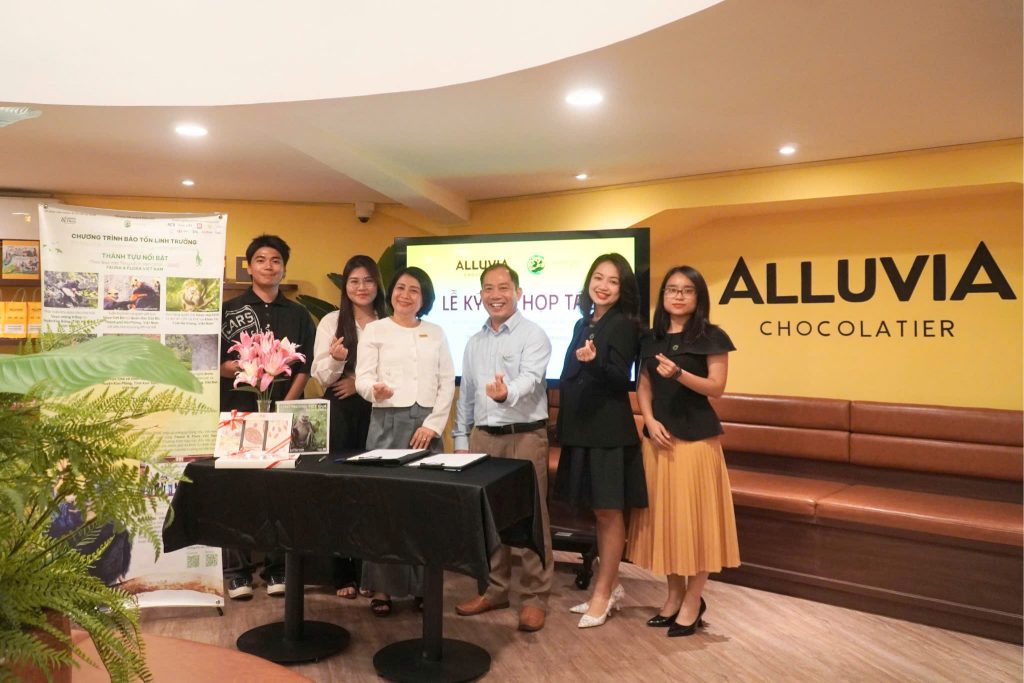
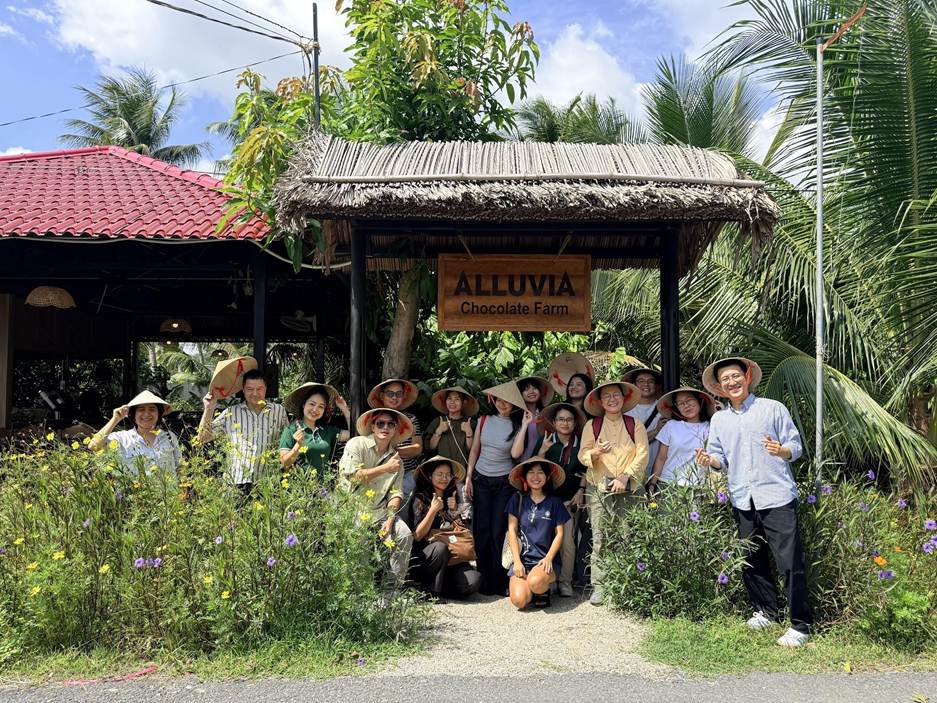
The collaboration with Alluvia Chocolatier explores another route into everyday life: food. Under the initiative “From cacao to the forest canopy,” Alluvia contributes VND 5,000 from each campaign product sold to Conservation Vietnam’s Primate Conservation Program.
The two organizations are also developing a Conservation Collection, in which chocolate products can introduce customers to Vietnam’s threatened primates and the forests they depend on.
This creates an unusual connection. A chocolate bar begins with cacao, agriculture, soil, climate, and local livelihoods. A primate conservation program begins with forests, species, habitat protection, and community participation.
Bringing the two together allows a familiar product to carry a larger story about nature. It also reflects a broader shift in how businesses can participate in conservation. Instead of keeping conservation separate from the core business, the initiative connects it directly with products, customers, and the experience of consumption itself.
A digital pathway to conservation
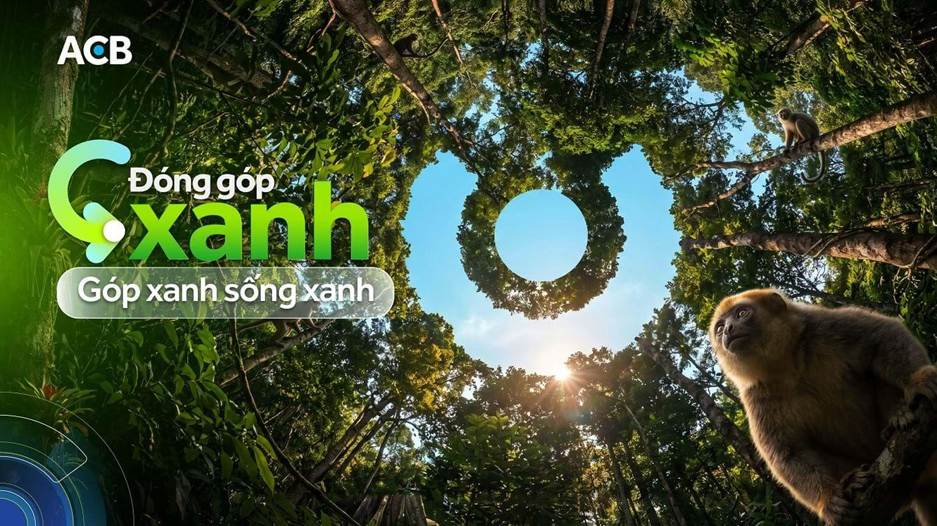
For ACB, the point of connection is technology. Through the “Green Contribution” initiative on ACB ONE, customers can access conservation programs, choose the causes they care about, and make contributions directly through the digital banking platform.
The supported areas include primate conservation, wild cattle conservation, endangered species conservation, and grassroots conservation initiatives.
What makes this approach particularly relevant is accessibility. People may care about nature but not know where to begin. They may not know which organizations to trust, which programs exist, or how contributions are used.
By integrating conservation into a familiar digital platform, the process becomes more immediate. It also creates an opportunity for stronger transparency, because contributors can follow fundraising progress and receive updates about the programs they have supported. In this model, banking infrastructure becomes part of the conservation ecosystem.

Four different partnerships, one larger idea
These four collaborations do not follow a single formula. TGM Research contributes insight into people. DHA Vietnam contributes a community platform through sport. Alluvia brings conservation into products and everyday consumer choices. And ACB contributes technology, financial infrastructure, and access to a broad customer network.
What they reveal is that businesses do not need to become conservation organizations in order to contribute meaningfully to conservation. Instead, they can begin with what they already do well.
When those capabilities are connected with conservation expertise and credible work on the ground, they can create new pathways for people to engage with nature.
Nature as part of Vietnam’s living heritage
Vietnam’s natural heritage is inseparable from its cultural heritage. Forests, rivers, mountains, wildlife, farming landscapes, and local communities have shaped Vietnamese identity for generations. Yet many of these natural systems are under growing pressure.
Conservation, therefore, is not only about preventing the disappearance of individual species. It is also about protecting the ecological foundations of landscapes, traditions, livelihoods, and places that form part of Vietnam’s living heritage. This is why broader participation matters. If conservation remains the responsibility of only a small group of specialists, its reach will always be limited.
But when conservation begins to appear in places where people already live their lives – at a marathon, in a chocolate shop, on a banking app, or through the choices businesses make – it becomes easier to imagine a society in which protecting nature is not a separate activity. It becomes part of everyday life. And perhaps that is where some of the most important conservation change begins.
Text: VH Editor, Photo: Conservation Vietnam