 admin
Despite shrinking ponds and an increasing scarcity of indigenous hundred-petal lotuses at Quang An village in Hanoi, local artisans remain devoted to traditional manual scenting to safeguard the capital’s delicate, time-honored brew.
Nestled beside the scenic West Lake, Quang An village is home to the rare Bách Diệp (hundred-petal) lotus. Nourished by rich soil and deep, mineral-laden mud, each bloom unfolds around a hundred petals and releases an incomparable perfume. Long revered as an artisanal specialty, the craft of lotus-scented tea in Quang An has earned recognition as a National Intangible Cultural Heritage.
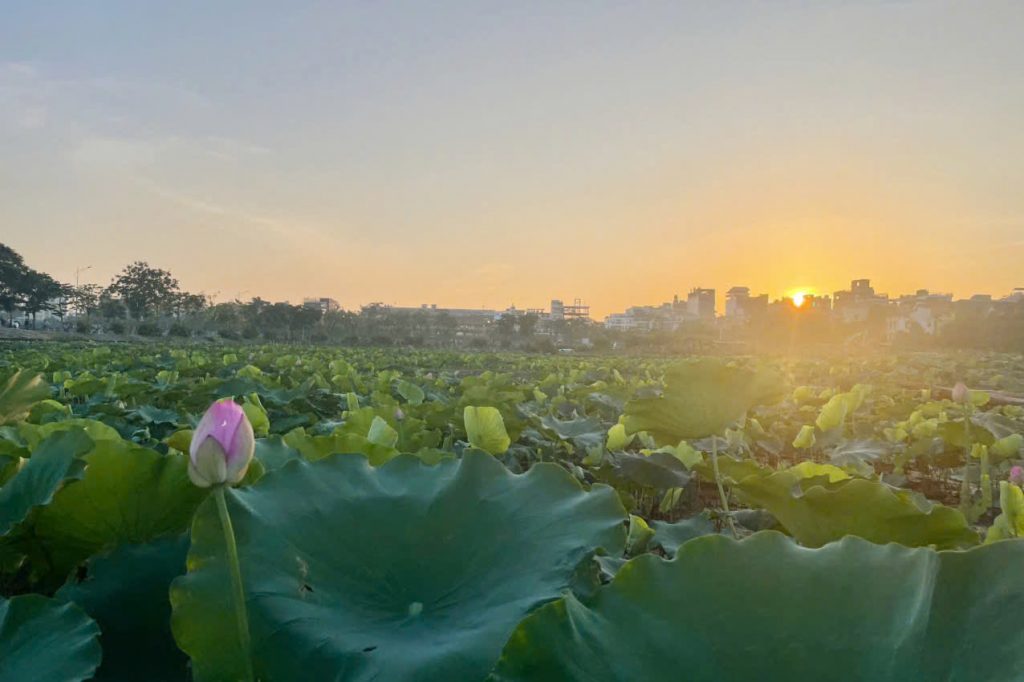
Lotus tea has long stood as one of Vietnam’s most treasured infusions. While the lotus holds profound cultural and spiritual resonance across Asia, its pairing with green tea yields an exquisite harmony – a pinnacle of Vietnamese culinary refinement.
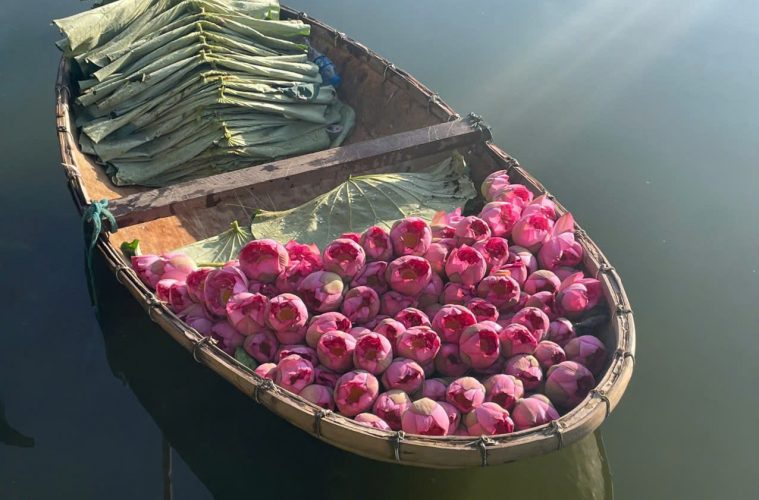
Yet sustaining the craft is an uphill battle. Thanh Huyen, founder of the artisanal brand Uyen Minh Lotus Tea, specializes in scenting fresh whole blossoms, explains: “A few years ago, Quang An boasted about a dozen lotus ponds. Today, only a handful cultivate the authentic Bách Diệp variety. The season has shortened and yields have plummeted. On peak days, the largest pond yields around a thousand blossoms; on lean days, barely a few dozen. To secure genuine blooms, tea makers must wait our turn on the growers’ strict schedule. We cannot pick whenever we wish, nor take as much as we desire. We are allotted only one or two pickups a week, arriving at daybreak to bring the freshly harvested flowers straight to the workshop.”
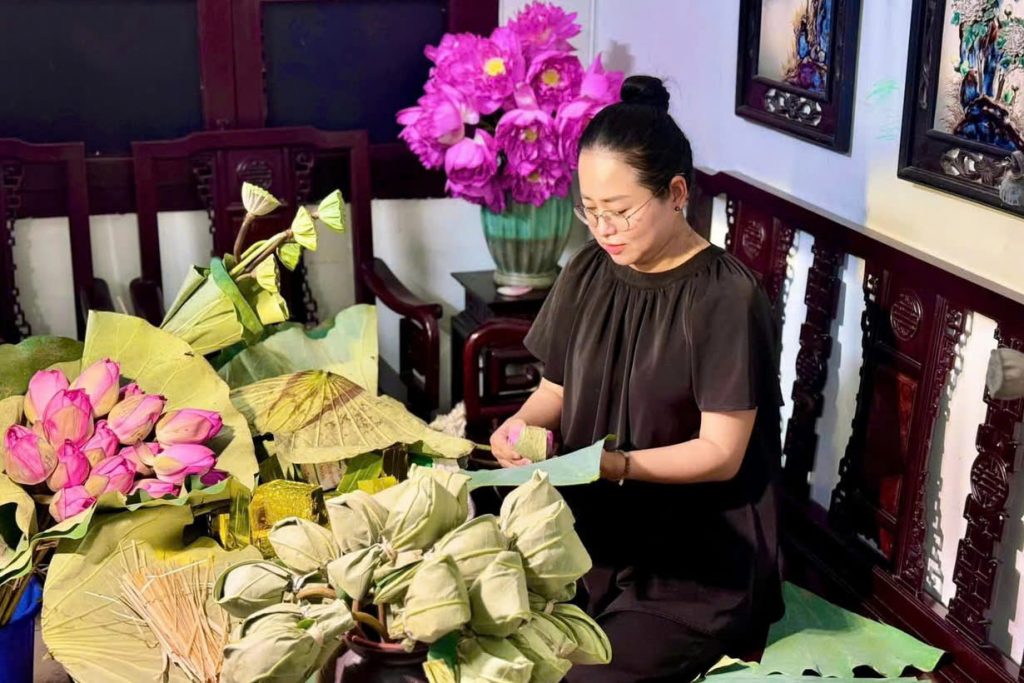
Despite the hurdles, she refuses to compromise. Throughout the season, Huyen insists exclusively on lotuses harvested within Quang An. While blooms from other provinces are plentiful, cheaper, and delivered right to the doorstep, she remains steadfast in her devotion to West Lake.
“The fragrance of Bách Diệp grown in Quang An is irreplaceable. Fall in love with it once, and you are captivated forever; taste it once, and the memory lingers,” she reflects.
According to tea artisans, Quang An’s Bách Diệp blossoms possess a distinct olfactory signature – fresh, deep, and lingering without a trace of sharpness. It is an alchemy of cultivar, soil, water, and microclimate. Transplant the very same lotus just five to ten kilometers away, and the fragrance loses its depth, turning raw and grassy – a mystery nature keeps to itself.
Achieving perfection demands meticulous care at every turn. An ideal bud is one just beginning to part its petals, hand-picked around 5 a.m. before the morning sun climbs high. The scent reaches its zenith when preceded by a sunny day and gathered in crisp, dry dawn air. Should rain fall during harvest, damp lotus anthers immediately compromise the fragrance.
Selecting the tea base is equally exacting. Artisans favor pure, clean spring-harvest green tea; leaves plucked under harsh summer sun tend to turn harsh and bitter. Roasting requires exact calibration – the dried leaves must remain tender enough to absorb the floral essence, yet never parched to brittleness, which would cause them to crumble during scenting.
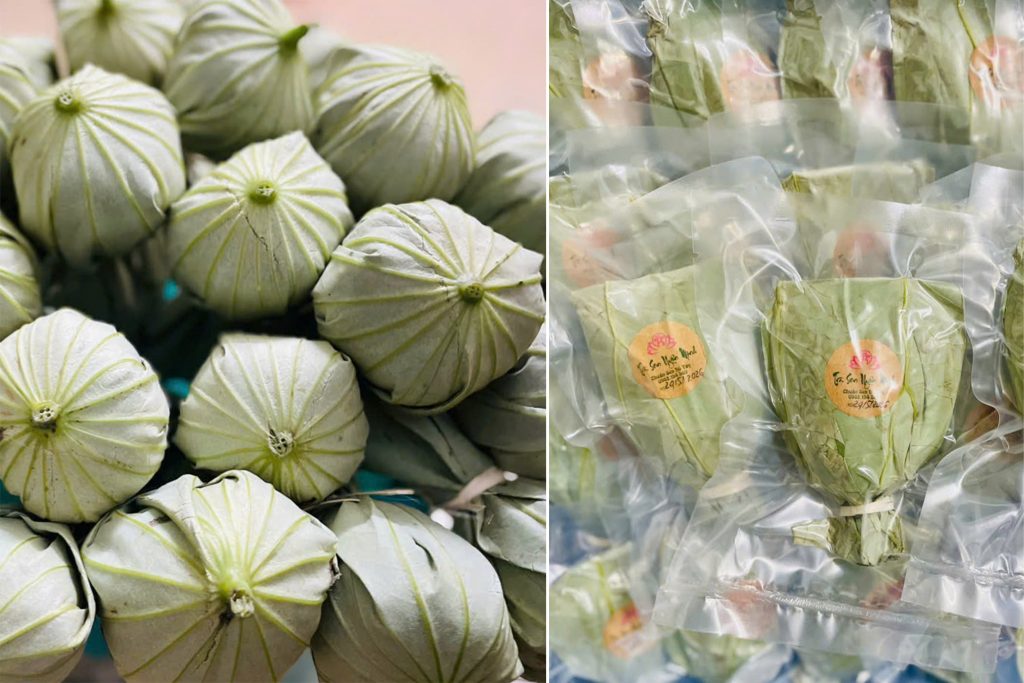
For fresh whole-blossom scented tea, capturing the pristine aroma without letting the petals spoil is an intricate art. Artisans must rise at dawn to retrieve the blossoms and begin infusing the tea immediately within a spotless space, completely free of ambient odors. Once the tea has absorbed the flower’s essence, each blossom is vacuum-sealed and immediately deep-frozen. Any flaw in timing or temperature risks spoiling the petals and dissipating the delicate perfume.
While scenting fresh blossoms is swift, preservation demands rigorous discipline; an unbroken cold chain is essential during transit. When handled properly, a thawed bud reveals petals as radiant and pink as if freshly gathered from the misty pond.
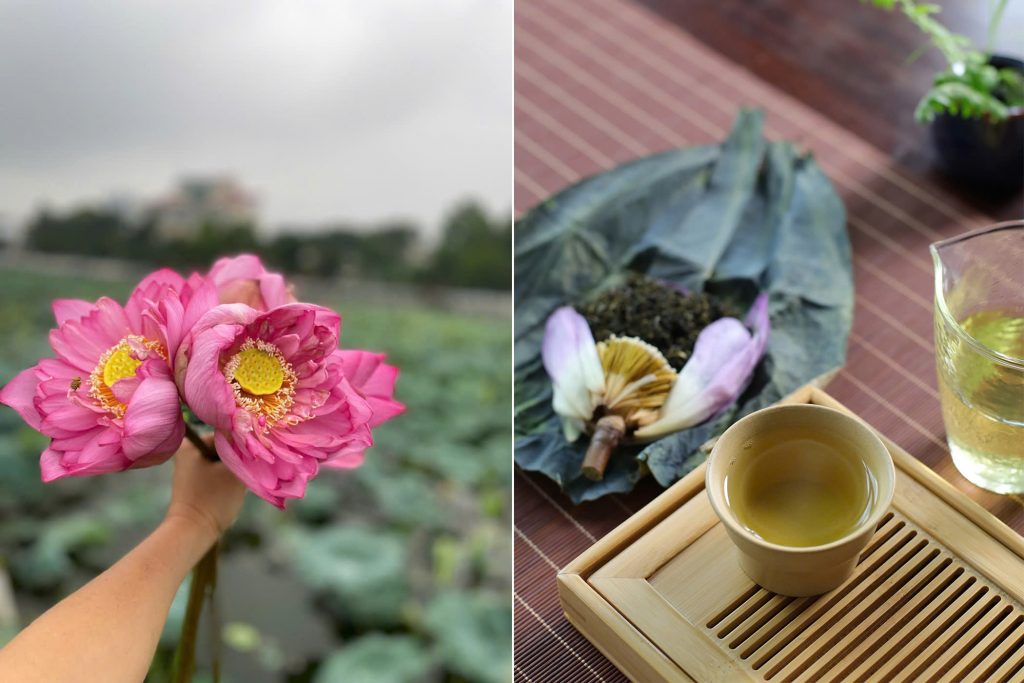
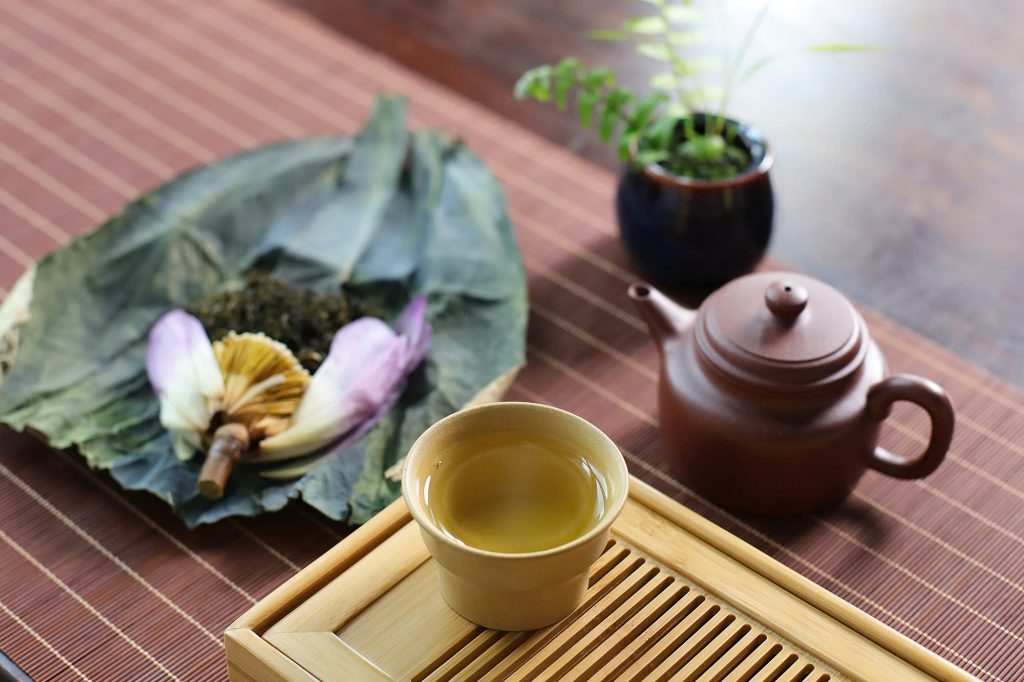
Steeped in hot water, the liquor glows with a luminous yellow-green clarity, unfolding a gentle astringency that dissolves into sweet, dewy notes of fresh lotus – bringing a serene, meditative calm to the palate.
Today, the artisans of West Lake practice several methods: fresh-blossom tea (enjoyed immediately or frozen for year-round use), freeze-dried whole-blossom tea that retains its natural silhouette and perfume for long-distance gifting, and traditional dried tea scented repeatedly with harvested lotus anthers. Yet for those yearning for the pure, dewy stillness of a Hanoi morning, a thawed fresh lotus bloom offers the most poetic and unforgettable cup.
Text: Giang Vu, Photo: Giang Vu & Thanh Huyen