
 admin
adminThe Ho Chi Minh City Ballet Symphony Orchestra (HBSO) will mark the beginning of New Year 2026 with a concert to honour Italian composer Giuseppe Verdi (1901 – 2026), taking place at 8:00pm on January 10, 2026, at the Saigon Opera House.
The concert carries profound artistic and scholarly significance. Verdi’s works not only reach the pinnacle of musical structure, dramatic language, and vocal technique, but also deeply reflect humanistic values, aspirations for freedom, and the dignity of humankind. More than a century later, Verdi’s music continues to resonate enduringly on major opera stages worldwide, remaining a vital subject of study in musicology, performance practice, and vocal pedagogy.
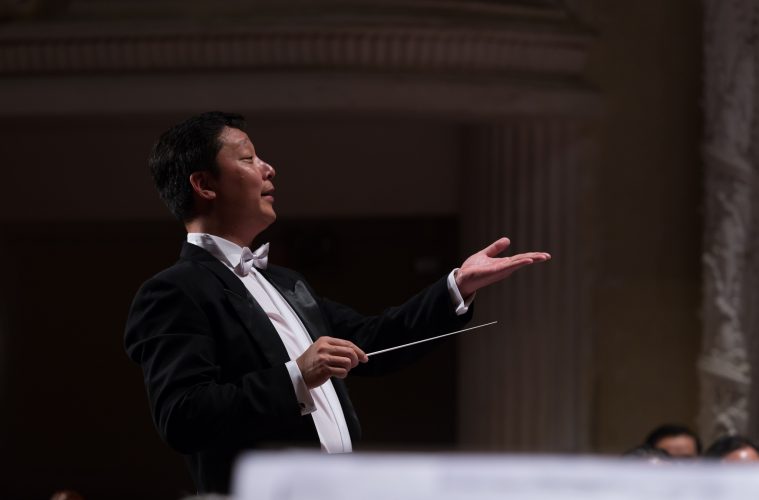
The concert will be staged and conducted by conductor Lê Phi Phi who is renowned for his innovative and compelling artistic style. Contributing significantly to the concert is the participation of HBSO artists, including Phạm Khánh Ngọc, Phạm Trang, Phạm Duyên Huyền, Đào Mác, Nguyễn Thu Hường, Phan Hồng Dịu, and Phan Hữu Trung Kiệt, from the Opera Troupe, together with the HBSO Choir and Symphony Orchestra. The choir will be prepared by conductor Trần Nhật Minh.
The program opens with the Overture to La forza del destino – a highly dramatic introduction vividly portraying the theme of fate, which lies at the core of the opera. Its powerful and tragic musical language establishes the emotional foundation for the entire evening. The program is followed by the aria “Pace, pace, mio Dio” from La forza del destino (Act IV), performed by Nguyễn Thu Hường. Written as Leonora’s anguished prayer, the aria unfolds through deeply introspective melodic lines, revealing the psychological depth of the heroine amid her tragic destiny. Next, the aria “O Carlo, ascolta” from Don Carlo (Act IV), performed by Đào Mác, presents a solemn and contemplative atmosphere, reflecting moral ideals and noble friendship within the opera’s complex historical and political context.
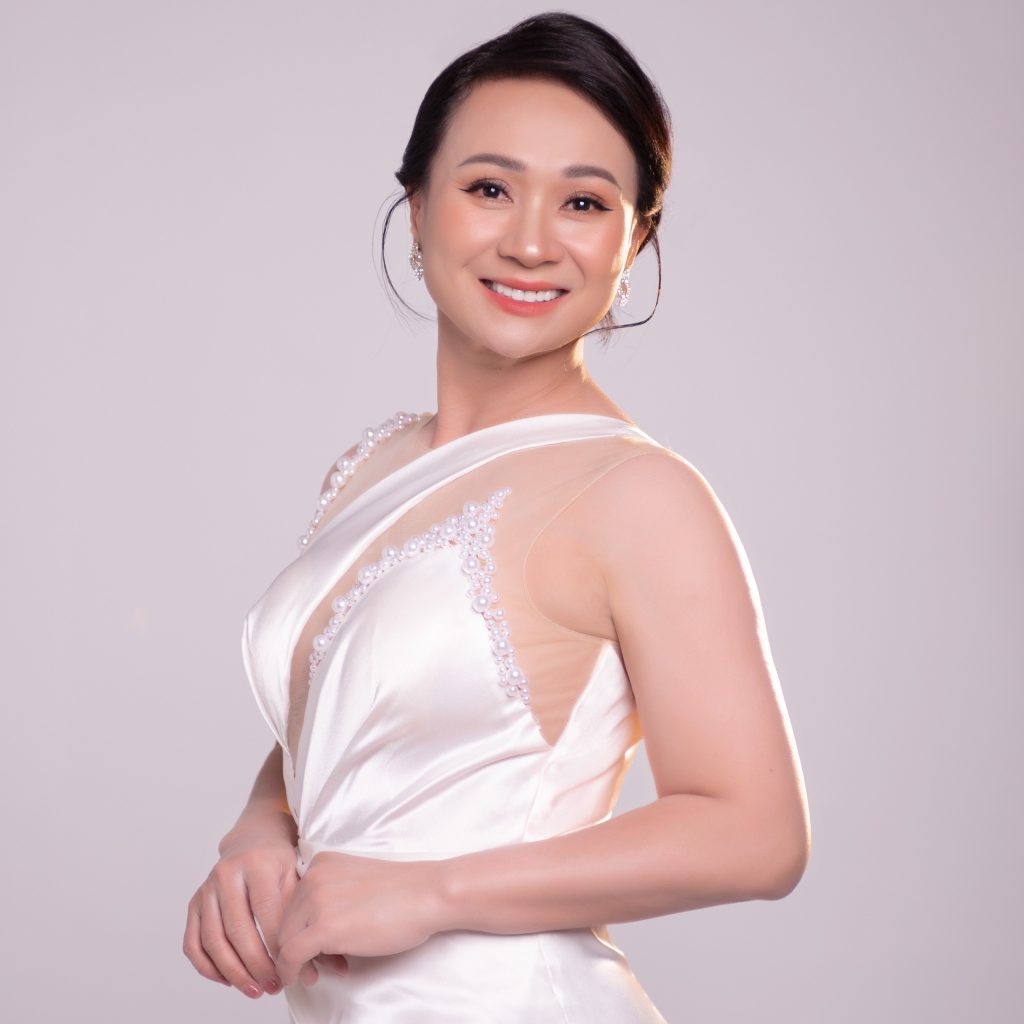
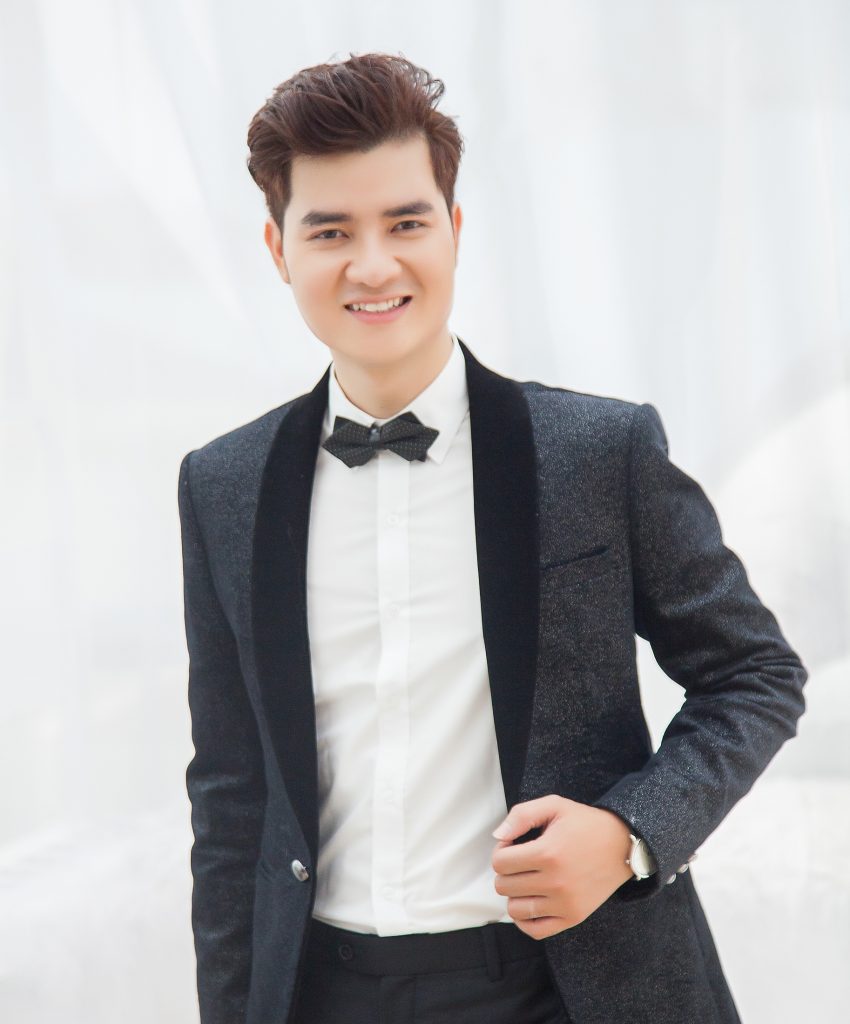
The chorus “Va, pensiero” from Nabucco resounds as an immortal symbol of the longing for freedom and homeland. With its simple yet profound melody, the work further affirms the central role of the chorus in Verdi’s musical language. Phan Hồng Dịu brings to life the dark and haunting inner world of Azucena through the aria “Stride la vampa” from Il Trovatore (Act II), marked by intense drama and emotional ferocity. This is followed by “Questa o quella”, an aria from Rigoletto performed by Phan Hữu Trung Kiệt, which portrays the Duke of Mantua’s hedonistic and superficial lifestyle through a light and agile melodic character.
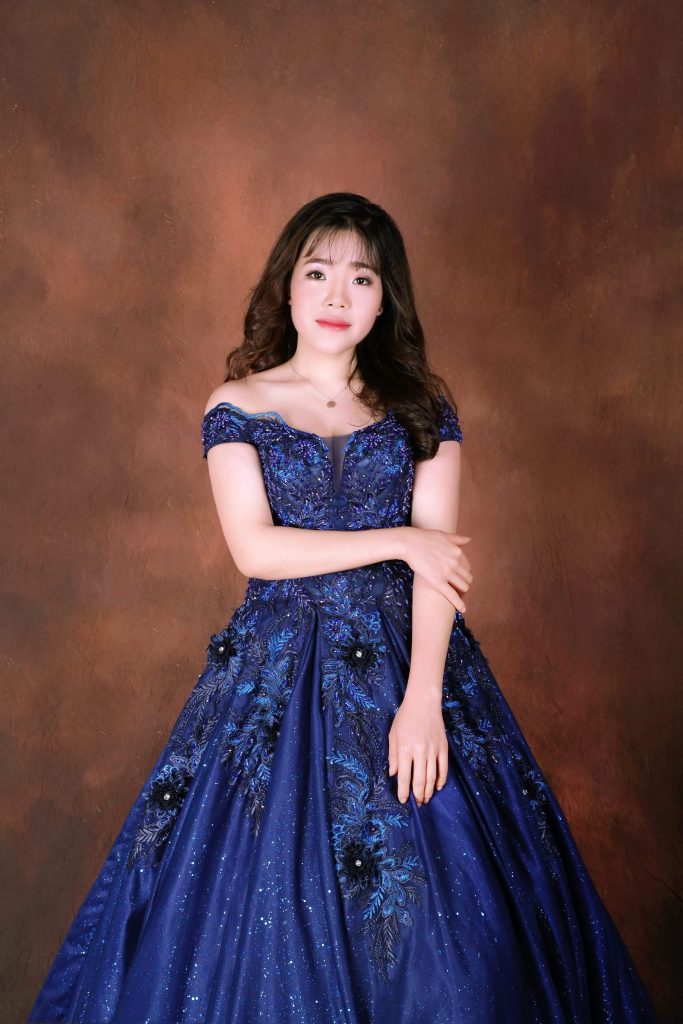
Verdi’s soprano roles demand exceptional precision in bel canto technique while preserving purity of expression to reflect the fragile beauty of the characters. The aria “Caro nome” from Rigoletto, performed by artist Phạm Khánh Ngọc with the Choir, serves as a quintessential example, expressing Gilda’s innocent and untainted inner world. Next, the aria “Mercè, dilette amiche” from I Vespri Siciliani (Act V), performed by Phạm Duyên Huyền with the Choir, conveys a solemn and poignant farewell atmosphere. Part One of the concert concludes with the vigorous and vividly evocative chorus “Vedi! Le fosche notturne spoglie” from Il Trovatore (Act II).
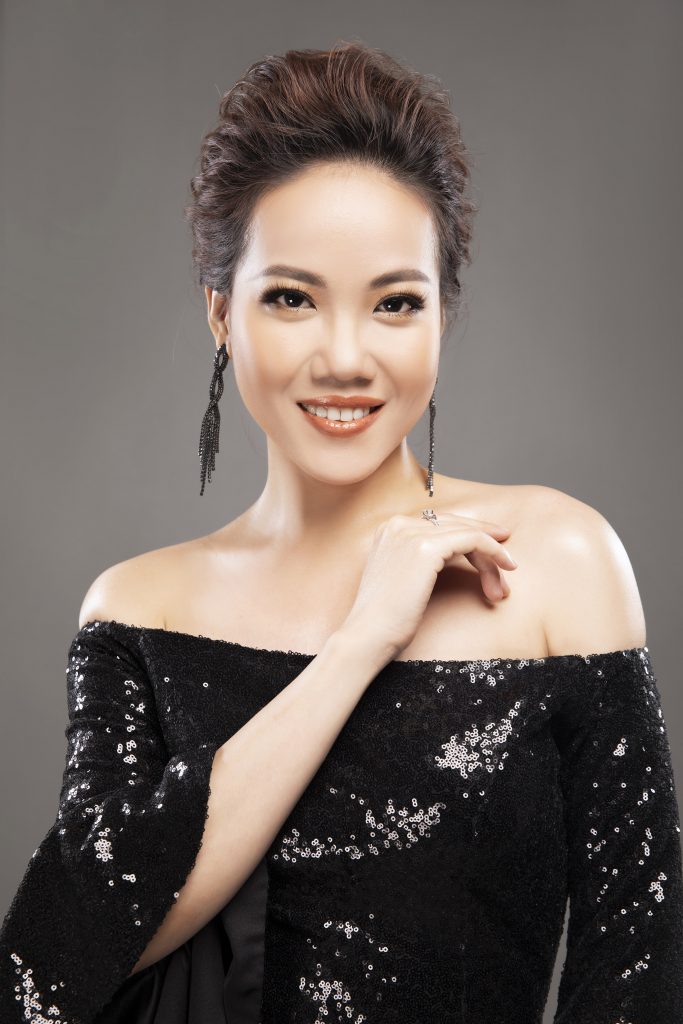
In the concert’s part 2, audiences are immersed in a sacred and apocalyptic soundscape through “Dies Irae” from Verdi’s Requiem, distinguished by the composer’s powerful and dramatic sacred musical language. The program then transitions into lyrical opera with the aria “Di Provenza il mar, il suol” from La Traviata (Act II), performed by Đào Mác, portraying Giorgio Germont – a father figure embodying morality and 19th-century social norms – through a calm and ethically grounded musical tone.
The emotional landscape expands further with the duet “Parigi o cara” from La Traviata (Act I), performed by Phạm Duyên Huyền and Phạm Trang, delicately recreating the fragile and tender first encounter between Alfredo and Violetta. This is followed by the Prelude to La Traviata, which emerges as a forewarning of tragic fate, characterized by its transparent texture and deeply introspective quality.
The dramatic climax intensifies as the personal anguish of Rigoletto and his daughter transforms into a fierce vow of vengeance in the aria “Sì, vendetta” from Rigoletto, performed by Phạm Khánh Ngọc and Đào Mác. Subsequently, “Di quella pira” from Il Trovatore, performed by Phạm Trang, delivers a powerful and emotionally explosive heroic anthem. The atmosphere shifts with “Rataplan” from La forza del destino, featuring Phạm Khánh Ngọc, Phan Hồng Dịu, and Nguyễn Thu Hường alongside the choir, creating a lively march infused with Verdi’s characteristic satirical spirit. The concert concludes in magnificent splendor with the Grand March from Act II of the opera Aida.