 admin
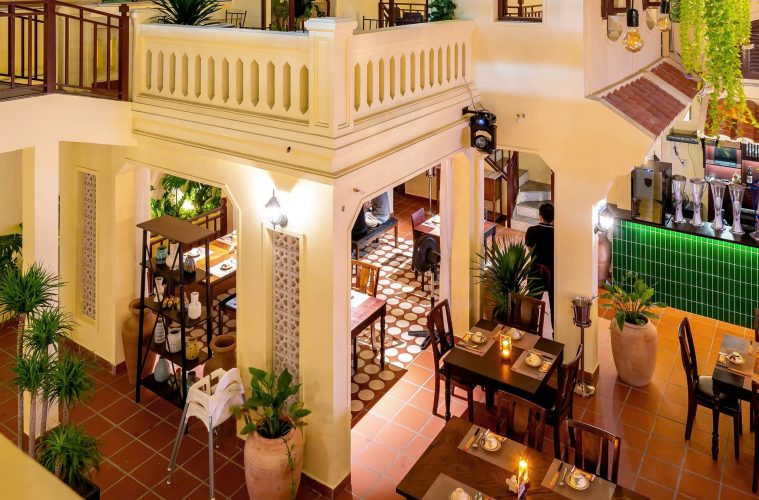
adminNestled in the vibrant area of Thảo Điền, Hidden Charm Restaurant has recently become a sanctuary for those seeking the culinary experience reflecting Vietnamese heritage beauty. Through its “Heritage Night” series, the restaurant has done more than just serving food; it has breathed new life into the tradition Bát Tràng Feast, a culinary ritual that feels like a journey back in time.
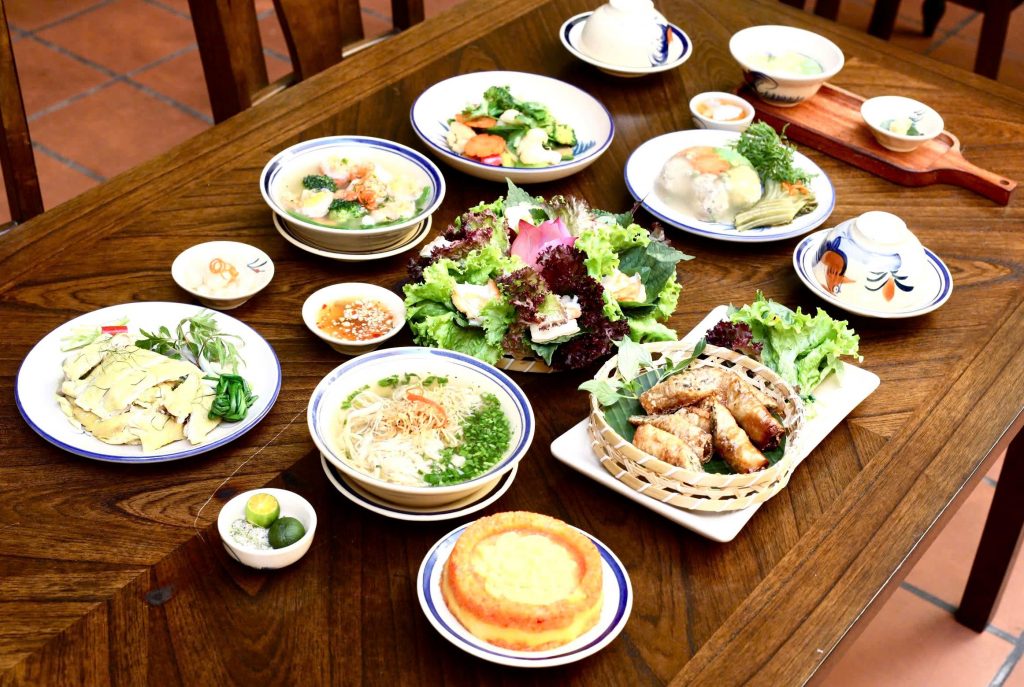
In August 2025, ‘Bát Tràng traditional culinary knowledge’ was officially inscribed into the National Intangible Cultural Heritage list. While the name Bát Tràng typically evokes images of exquisite ceramics from the traditional pottery village by the Red River banks, where the true “hidden charm” lies in its spiritual gastronomy. For generations, these traditional feasts have been the heartbeat of Lunar New Year celebrations and community gatherings – a cultural thread the locals simply call “Cỗ Bát Tràng.”
For the team at Hidden Charm, this is a mission of the heart. “We strive to preserve the scent, keep the flavor, and honor culinary values that have matured over time,” a restaurant representative shared. As the blossoms of Tet approach, the restaurant is bringing the spirit of the Vietnamese Lunar New Year to Saigon through a trio of regional feasts from the North, the Central and the South, alongside a collection of uniquely crafted local delicacies.
Bringing the Bát Tràng Feast to the South was an arduous, year-long pilgrimage of preparation. Yet, it was a labor of love deemed essential, as this remains the only Tet feast in Vietnam to be honored as a national heritage.
The Art of the Seven-Dish Symphony
The soul of the feast lies in the hands of Hidden Charm’s Head Chef, who spent months immersed in Bát Tràng village, learning the whispered secrets of its culinary artisans. The result is a seven-dish masterpiece, where every flavor tells a story.
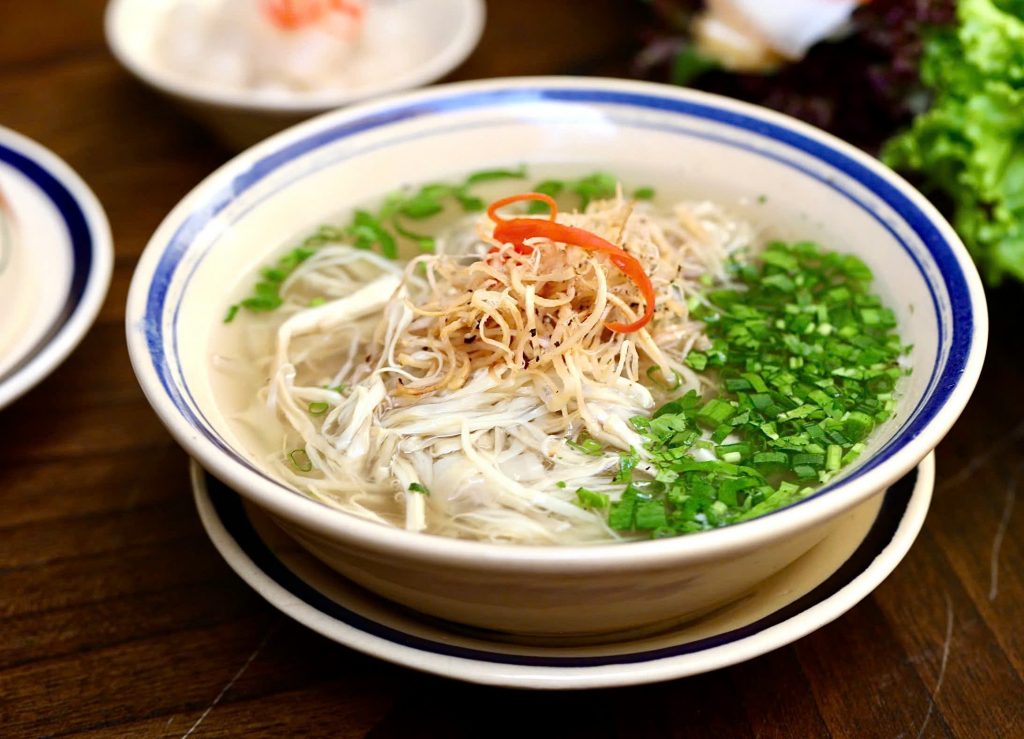
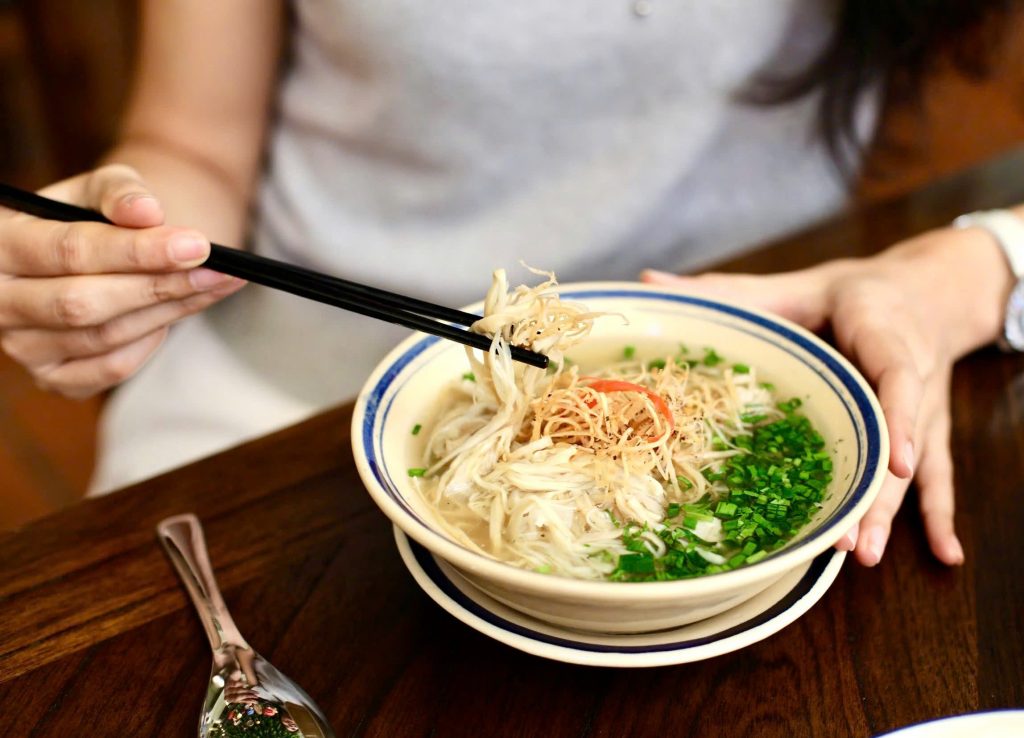
The undisputed “crown jewel” of the table is the Dried bamboo shoot and squid soup. Its story begins in the spring, with “Vầu” bamboo harvested from the midlands, cleaned, and hung over woodstoves for months until it turns a deep honey-gold. This is paired with line-caught squid – specifically selected from the August harvest for its thickness – which is dried in the shade to maintain its natural sweetness. The chef then performs a delicate dance of precision, hand-shredding both bamboo and squid into silk-like threads before simmering them with bone broth and lard to create a taste that is nothing short of unforgettable.
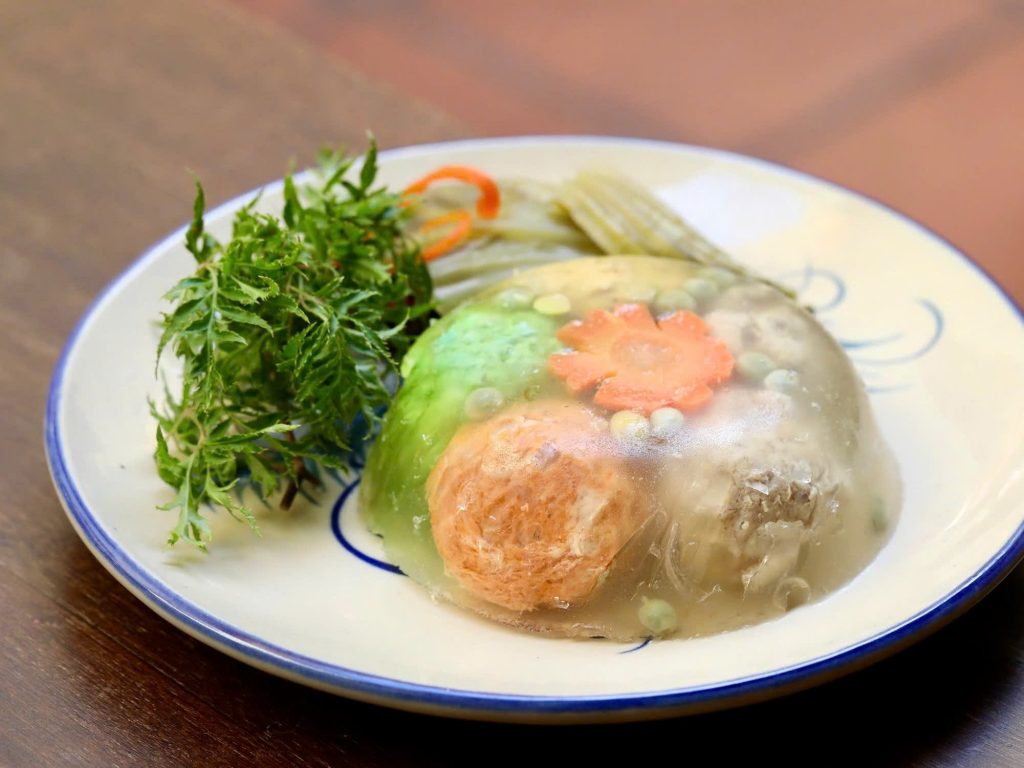
The narrative continues with Vân Ám Meatballs, a dish that is as much a philosophy as it is a meal. Five large meatballs, dyed in five vibrant colors, represent the five elements – metal, wood, water, fire, and earth. It is a dish of harmony and rebirth, a silent prayer for a New Year filled with fortune, prosperity, longevity, health, and peace.
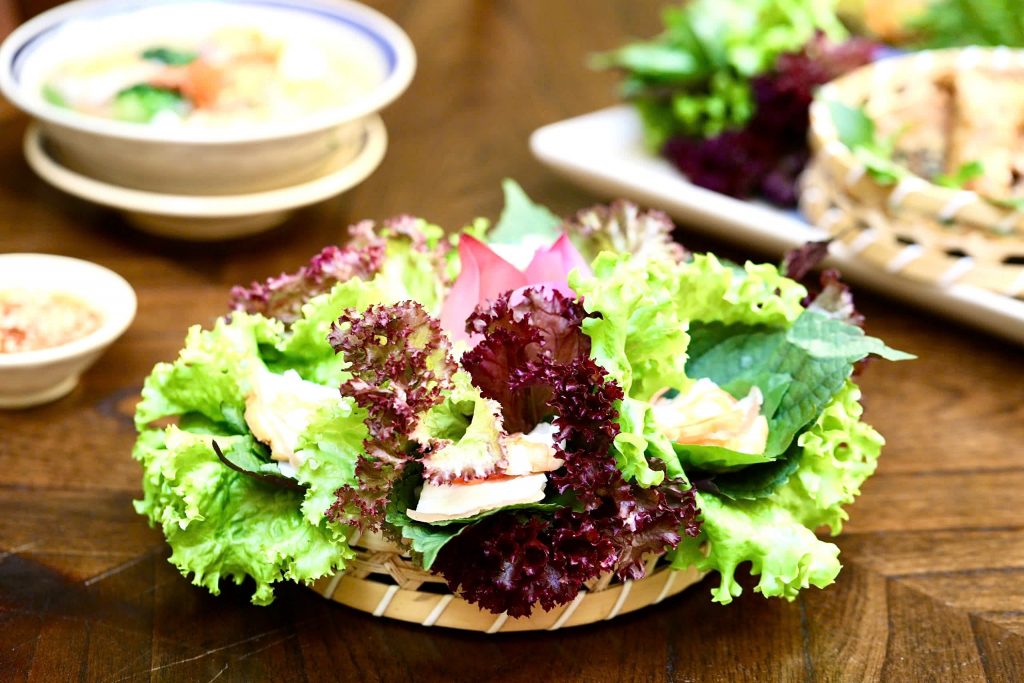
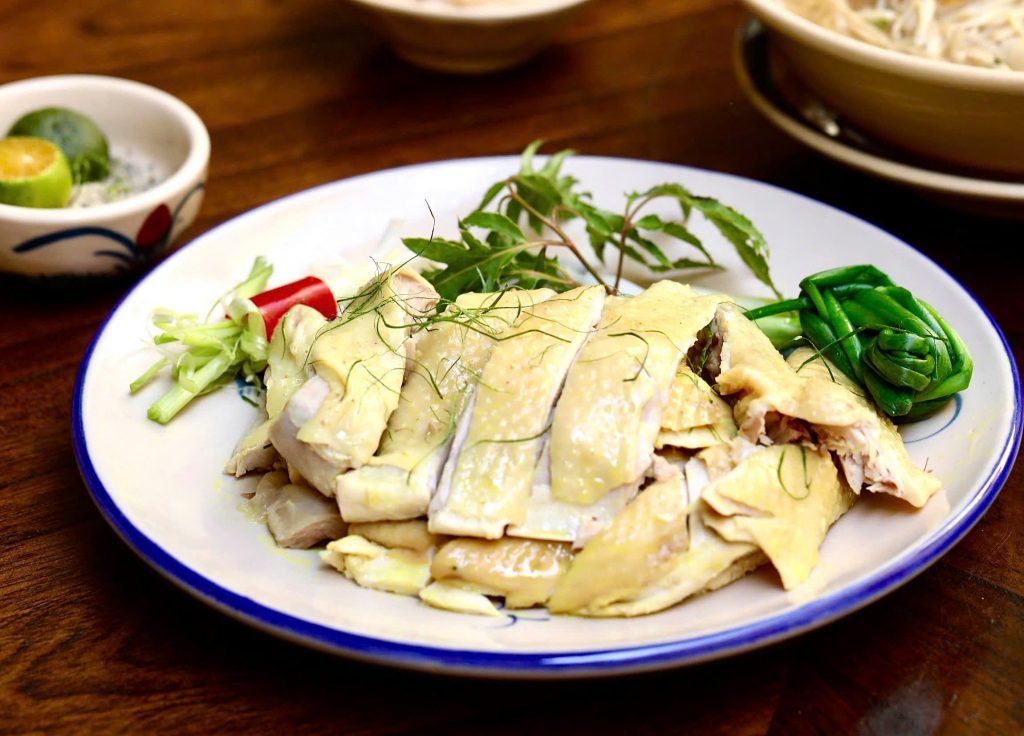
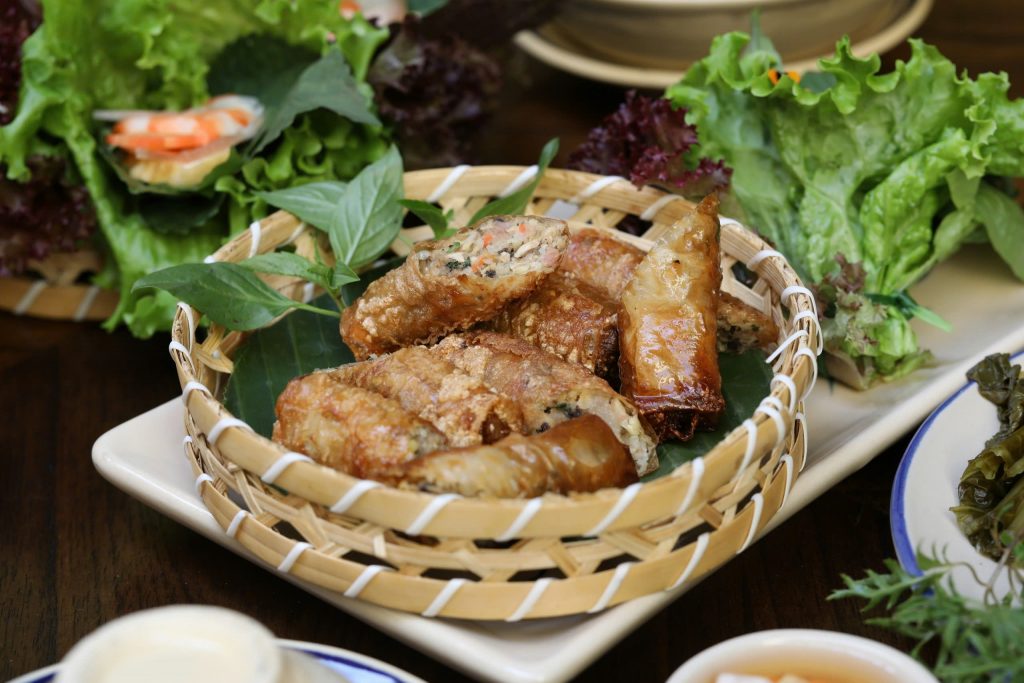
The “poetry” on the plate further unfolds with the Stir-fried Kohlrabi with squid, where the crispness of the vegetable meets the chewy, savory depths of the squid. Rounding out this heritage spread are the rich Sea crab spring rolls, the vibrant Sum Vầy mixed salad, Wild betel leaf shrimp patties, and classic Poached chicken, all accompanied by Gấc sticky rice, pickled onions, and bamboo shoot vermicelli.
A Map of Flavors
While the Bát Tràng feast is the star, Hidden Charm offers a complete map of Vietnam’s culinary with dedicated menus for Central and Southern flavors. Due to the meticulous craftsmanship involved, these feasts are prepared only by pre-order.
For diners looking to explore further, the chef recommends Bún chả Hanoi, prepared with a rare slow-grilling technique, or the rustic Cao lầu Hoi An. To balance the richness of the festive season, the Crab paste hotpot offers a refreshing reprieve, while adventurous palates can delight in Grilled chicken with cinnamon served with sticky rice or Crispy pork trotters scented with mắc mật leaves.
By Giang Vu
Hidden Charm Restaurant
101 Xuan Thuy, Thao Dien Ward, Thu Duc City